Serving Jersey Shore, Middletown, Rumson, Manasquan, Brick, Colts Neck, Howell, Holmdel
Job Stories
Job Stories
Uncovering Hidden Duct Leaks: Improving Comfort and Efficiency in Deal, NJ
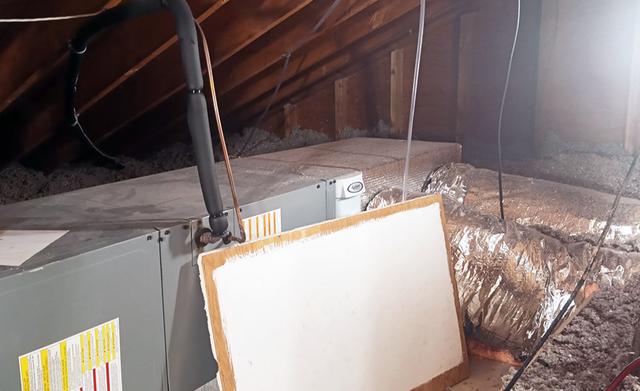
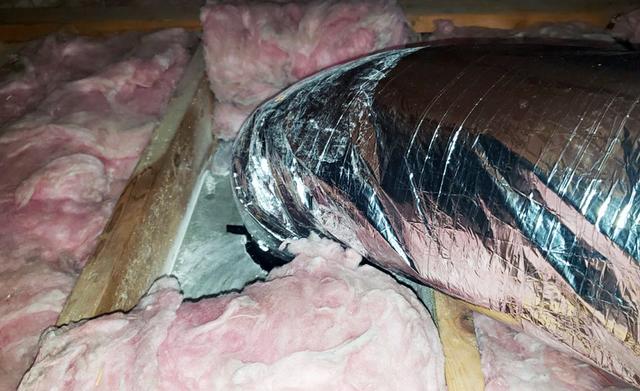
During our free home inspection in Deal, NJ, we found that the trunk connections to the supply line were leaking conditioned air into the attic. Meanwhile, the return trunk lines were pulling unconditioned attic air back into the duct system, leading to poor air quality and inconsistent temperatures throughout the home. We also found leaks at the register connections. We're more than just an insulation company—we inspect homes to identify the root causes of discomfort, high energy bills, and poor indoor air quality.
Exposed Basement Rim Joists in Deal, NJ Need Spray Foam Insulation
During our free home evaluation in Deal, NJ, we inspected the homeowner’s basement and found the rim joists and sill plates exposed—both common sources of air leaks. In the summer, these leaks let in heat and humidity; in the winter, they allow cold drafts to enter, leading to chilly floors and uncomfortable, drafty rooms above. To fix this, we apply spray foam insulation to seal the rim joists and sill plates. This airtight barrier prevents unwanted air and moisture from entering the home, resulting in noticeably more comfortable living spaces—warmer floors in winter and cooler rooms in summer.
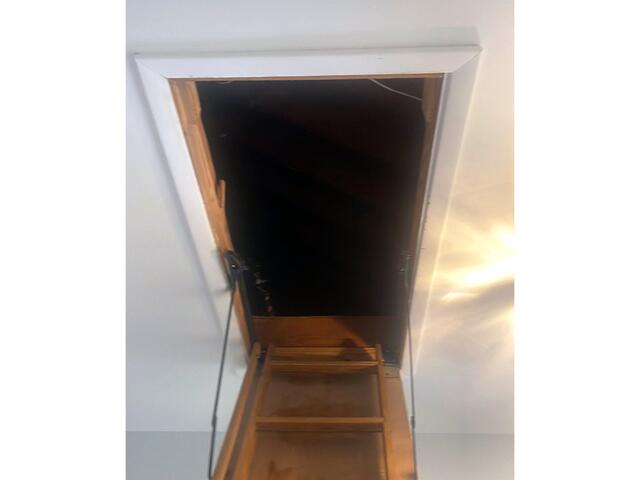
Attic Hatch Causing Energy Loss in Deal, NJ
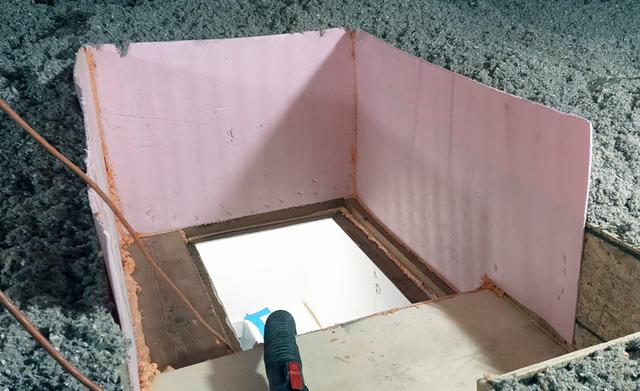
The attic entrance in this Deal, NJ home is allowing conditioned air the homeowner is paying for to escape into the attic. We often see pull-down stairs and attic hatches that aren’t properly air sealed or insulated, which leads to wasted energy and higher bills. Our solution is simple and effective. We air seal the frame and install a David Lewis Hatch Cover, an insulated rigid-foam cover with a radiant barrier that reflects heat and prevents conditioned air from leaking into the attic.
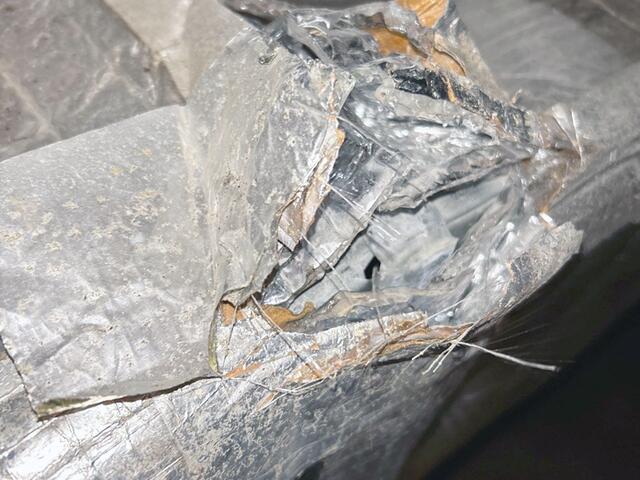
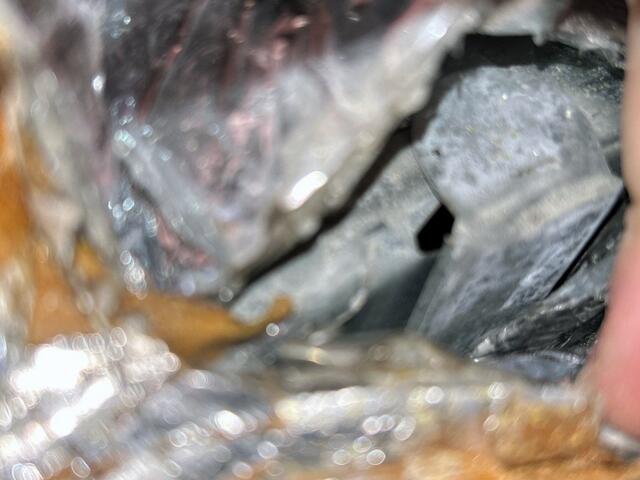
Leaky Ductwork in Deal, NJ Causing Energy Loss and Poor Indoor Air Quality
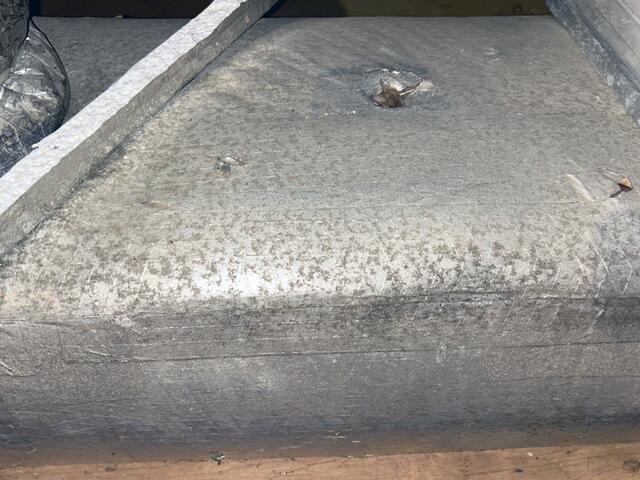
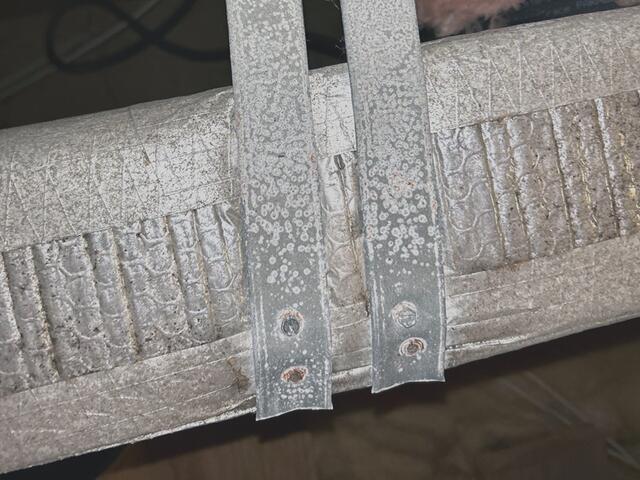
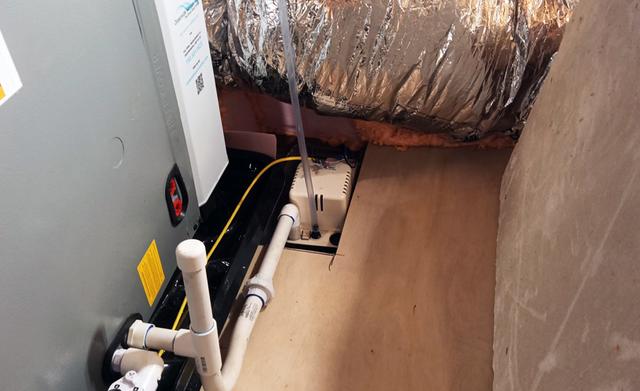
These ducts in Deal, NJ are leaking conditioned air into the attic through the supply ducts while pulling attic air back into the home through the return side. With loose connections and holes throughout the system, there are significant air leaks contributing to both energy loss and indoor air quality concerns. There is also a mold issue present in the attic, making it critical to address the root cause first before properly sealing the ductwork. Once the mold is treated and the ducts are sealed and insulated correctly, the return side will no longer draw in contaminated attic air, preventing the homeowner from breathing in poor indoor air quality, including mold spores. Fixing these leaks not only helps lower energy bills and reduce system run times, but also creates a cleaner, safer, and more comfortable home environment.
Attic Inspection in Deal, NJ Reveals Missing Vent Baffles, Leaky Ductwork & Poor Insulation
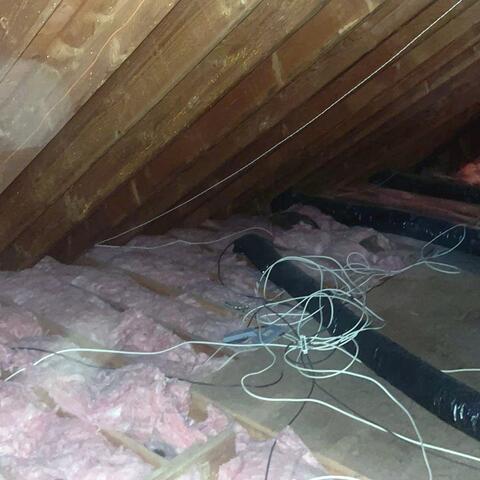
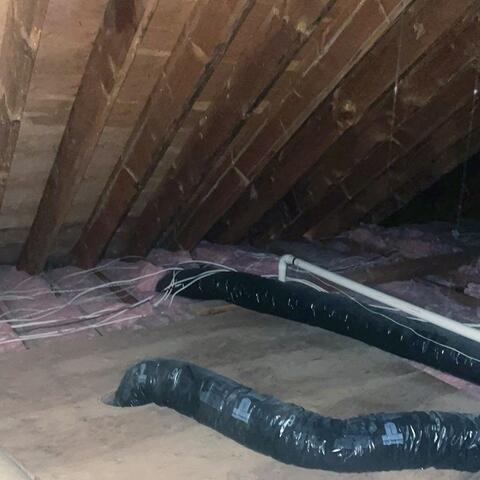
During a recent attic inspection in Deal, NJ, we discovered several common but significant issues such as, poor insulation, leaky ductwork, and an attic that was not properly air sealed. One of the many issues we found was the lack of vent baffles, an important component that should never be overlooked. Without vent baffles insulation can block airflow from the soffit vents, preventing proper attic ventilation. This can trap moisture, leading to condensation, mold growth, and even roof rot. It also allows wind washing, which reduces the insulation's effectiveness and creates uncomfortable hot and cold spots throughout the home.
Air Sealing Attic in Long Branch, NJ
This homeowner in Long Branch, NJ needed our help air sealing their attic. First we pull back some of the fiberglass insulation to check for gaps or holes in the attic floor. Our experts are always searching for cracks, gaps and holes in the attic floor. When fiberglass insulation becomes dirty that can be a sign of air leaking from these cracks, holes and gaps. So when an attic is not air sealed we have hot or cold air circulating into these cracks, holes, gaps and soffits. This can create the rooms below to become drafty, cold and hot. Before we blow-in our TruSoft cellulose insulation we must air seal the attic first.
Once we air seal and insulate the attic, the customer will have a more comfortable house, lower fuel and electric bills.
Attic Insulation and Loose Ducts in Long Branch, NJ
We are visiting a homeowner in Long Branch, NJ that has complained about their upstairs bedrooms being too cold. After inspecting the attic our team noticed the attic was poorly insulated. Our team also found some flexible ducts that were loosely connected. We also found the attic was not air sealed and the fiberglass insulation did next to nothing to insulate. Before we insulate the attic, our team will reconnect any loose ducts and properly air seal the seams. Next we use our orange ZypFoam sealant to air seal the attic floors. After the attic is air sealed the team will start building catwalks and decking to help contain the insulation we blow-in. Once the decking and catwalk is in place our team blows-in our TruSoft cellulose insulation into the attic. Finally, we will install a Scuttle Hatch Cover over the entrance of the attic while we air seal the hatch to create an air sealed cover. This customer now has a more comfortable house, lower fuel and electric bills.
Poorly Ventilated & Moldy Attic in Long Branch, NJ
During a free Energy Audit in Long Branch, NJ, we found an attic with poor ventilation and insulation, causing moisture buildup, mold, and potential dry rot on the roof rafters. The soffits were blocked by fiberglass bats without vent baffles for proper airflow. If not addressed, these issues will continue, leading to an uncomfortable home, wasted energy, and possible roof damage. Mold can also harm indoor air quality and health. Our team specializes in building science to improve your home's comfort, energy efficiency, and health. We treat mold with stain removers and botanicals to help prevent its return, though we cannot guarantee it won't grow back. Identifying and addressing the underlying cause is key to preventing future mold growth.
Vented Crawl Space, Poor Insulation, and Exposed Rim Joists in Long Branch, NJ
In Long Branch, NJ, we're examining an outdated vented crawl space that exhibits signs of moisture and air leaks through porous cinder block walls, vents, and exposed rim joists. These leaks allow unwanted air to enter the home, causing discomfort for the homeowner. Additionally, the floor shows signs of moisture staining. We can address these problems by sealing the crawl space vents using SilverGlo foam board and filling any gaps with spray foam. Insulating walls with SilverGlo and applying a CleanSpace liner on the floor will reduce gases and moisture. Finally, we'll spray foam rim joists to prevent leaks, enhancing comfort, indoor air quality, and energy efficiency.
Poorly Insulated Crawl Space in Long Branch, NJ
During our free home evaluation in Long Branch, NJ, we inspected the homeowner’s crawl space and found several insulation problems contributing to discomfort and higher energy bills. A large, unsealed window was allowing outside air to leak into the space, while the porous brick walls were letting in cold, damp air, making the area humid or cold. Additionally, the dirt floor was allowing moisture to rise, increasing humidity and the risk of mold growth. We also found that the rim joists near the foundation were leaking outside air. If your crawl space has similar issues and you're concerned about comfort, energy efficiency, or indoor air quality, contact us today.
Total Job Stories: 193
our service area
We serve the following areas
- Allenhurst
- Allenwood
- Asbury Park
- Atlantic Highlands
- Avon By The Sea
- Belmar
- Bradley Beach
- Brick
- Brielle
- Colts Neck
- Deal
- Eatontown
- Fair Haven
- Farmingdale
- Fort Monmouth
- Highlands
- Holmdel
- Howell
- Leonardo
- Lincroft
- Little Silver
- Long Branch
- Manasquan
- Mantoloking
- Middletown
- Monmouth Beach
- Neptune
- Oakhurst
- Ocean Grove
- Oceanport
- Point Pleasant Beach
- Red Bank
- Rumson
- Sea Girt
- Shrewsbury
- Spring Lake
- Toms River
- West Long Branch