
Today's Hours: 8:00 AM - 5:00 PM
Serving Jersey Shore, Middletown, Rumson, Manasquan, Brick, Colts Neck, Howell, Holmdel
Dave Hoh's Home Comfort & Energy Experts Before & After Photos
Click on a photo to enlarge.
Attic Insulation in Atlantic Highlands, NJ

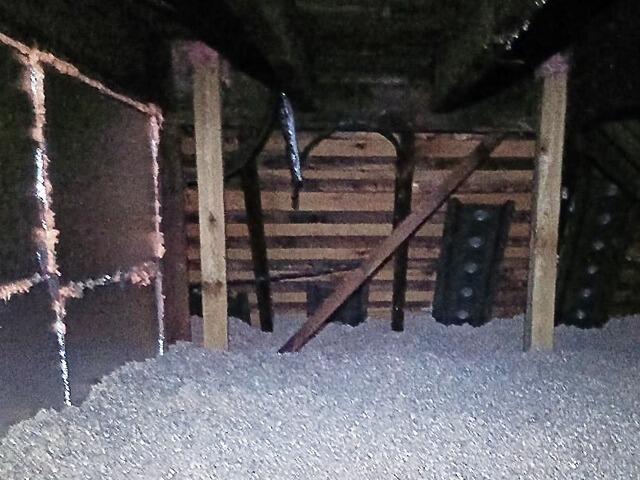
In Atlantic Highlands, NJ, a homeowner was dealing with uneven room temperatures and high energy bills. During our free home evaluation, we discovered the attic was poorly insulated and lacked proper air sealing, allowing conditioned air to escape. We replaced ineffective fiberglass insulation along the attic stairway walls with foam board to stop air leaks, added baffle vents for proper airflow, air sealed the attic and will complete the job with R-60 cellulose insulation, improving comfort and lowering energy costs.
Seaside Heights, NJ Home Gets Cooler, More Efficient with Encapsulated Ducts & Attic Insulation
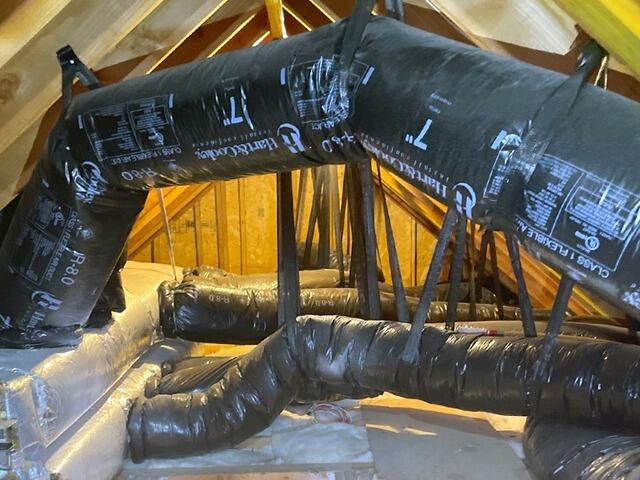
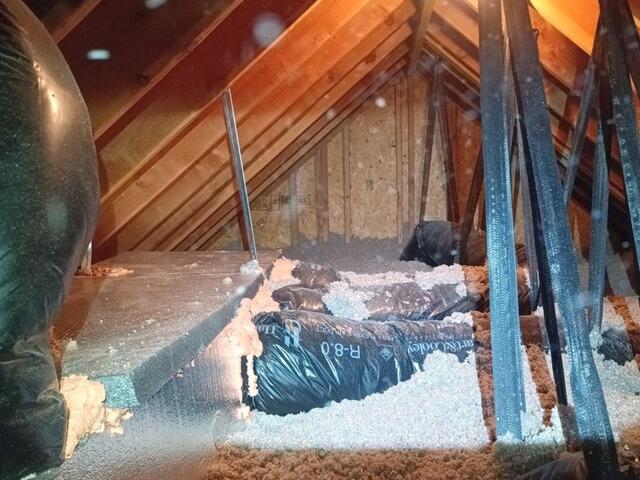
In Seaside Heights, NJ, a homeowner was running their AC nonstop. During our free home evaluation, we discovered leaky ducts and radiant heat causing the conditioned air to warm before reaching the rooms. By air sealing the attic and ducts and encapsulating the ducts with a radiant barrier, we kept the air cool and eliminated leaks. Once the attic is sealed and ducts corrected, we can blow in TruSoft cellulose insulation to the optimal R-60. The result is a more comfortable, efficiently cooled home with lower energy bills.
Neighbor's Recommendation Leads to a Cooler, Energy-Efficient Home in Seaside Heights, NJ


A homeowner in Seaside Heights, NJ, was referred to us by a satisfied customer. Curious about their neighbor's consistently warm home and low energy bills, the homeowner approached us. They had been experiencing discomfort during winters and summers, along with high energy costs. Following our complimentary home evaluation, we discussed tailored solutions with the homeowner. Our team thoroughly air-sealed their small attic, fixed leaky ducts and connections, installed baffle vents to improve ventilation, and applied TruSoft cellulose insulation up to an optimal R-60 level. As a result, the home now enjoys enhanced comfort year-round, with significantly reduced energy expenses.
Insulating Church Rooms in Ocean Township, NJ


At the Church on the Hill in Ocean Township, NJ, we showcased our proficiency in applying building science. We removed the original and contaminated fiberglass insulation in the upper rooms' drop-down ceilings. Following this, we meticulously fitted protective liners to the wood frames before introducing TruSoft cellulose insulation through a blow-in process. This upgrade not only enhances insulation but also offers fire resistance and efficient moisture management without compromising its insulating ability. It underscores our dedication to implementing improved building solutions for larger projects.
SuperAttic Transformation Brings Comfort and Storage to Asbury Park NJ Home
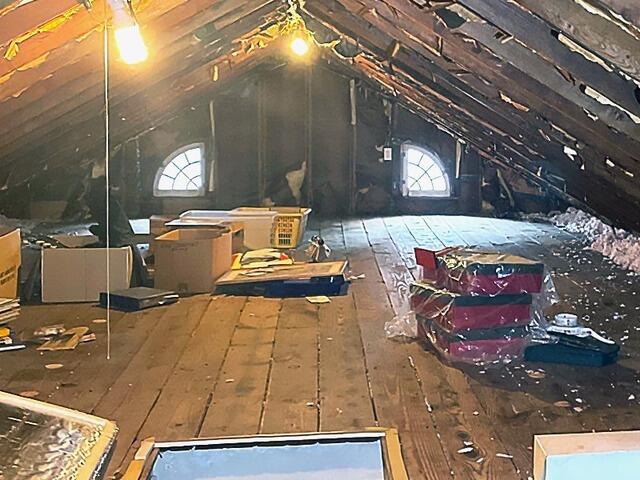
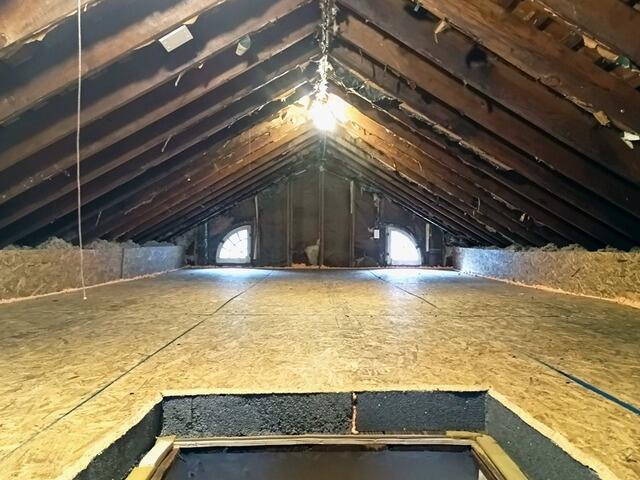
In Asbury Park, NJ, a homeowner was struggling with a drafty, uncomfortable home that was hard to heat and cool, along with poor attic storage conditions and limited usable space. Our solution involved creating a SuperDeck, which effectively insulated the home to maximize storage capacity. Initially, we blocked joist bays with foam boards, sealed them with spray foam, and air-sealed the attic floor. Next, we installed 4-inch SilverGlo foam boards across the attic's storage area, fastening them securely with screws. We then installed wood decking over the SilverGlo and sealed any gaps with air sealant. Finally, we constructed retaining walls to accommodate blowing in optimal R-60 TruSoft cellulose insulation throughout the rest of the attic. This comprehensive approach not only enhanced attic storage but also significantly improved home comfort and reduced energy costs for the homeowner.
our service area
We serve the following areas
- Allenhurst
- Allenwood
- Asbury Park
- Atlantic Highlands
- Avon By The Sea
- Belmar
- Bradley Beach
- Brick
- Brielle
- Colts Neck
- Deal
- Eatontown
- Fair Haven
- Farmingdale
- Fort Monmouth
- Highlands
- Holmdel
- Howell
- Leonardo
- Lincroft
- Little Silver
- Long Branch
- Manasquan
- Mantoloking
- Middletown
- Monmouth Beach
- Neptune
- Oakhurst
- Ocean Grove
- Oceanport
- Point Pleasant Beach
- Red Bank
- Rumson
- Sea Girt
- Shrewsbury
- Spring Lake
- Toms River
- West Long Branch